

Trump Urges Banks to Set Credit Card Rate Cap to Circumvent Fed Rate Cut

Summary
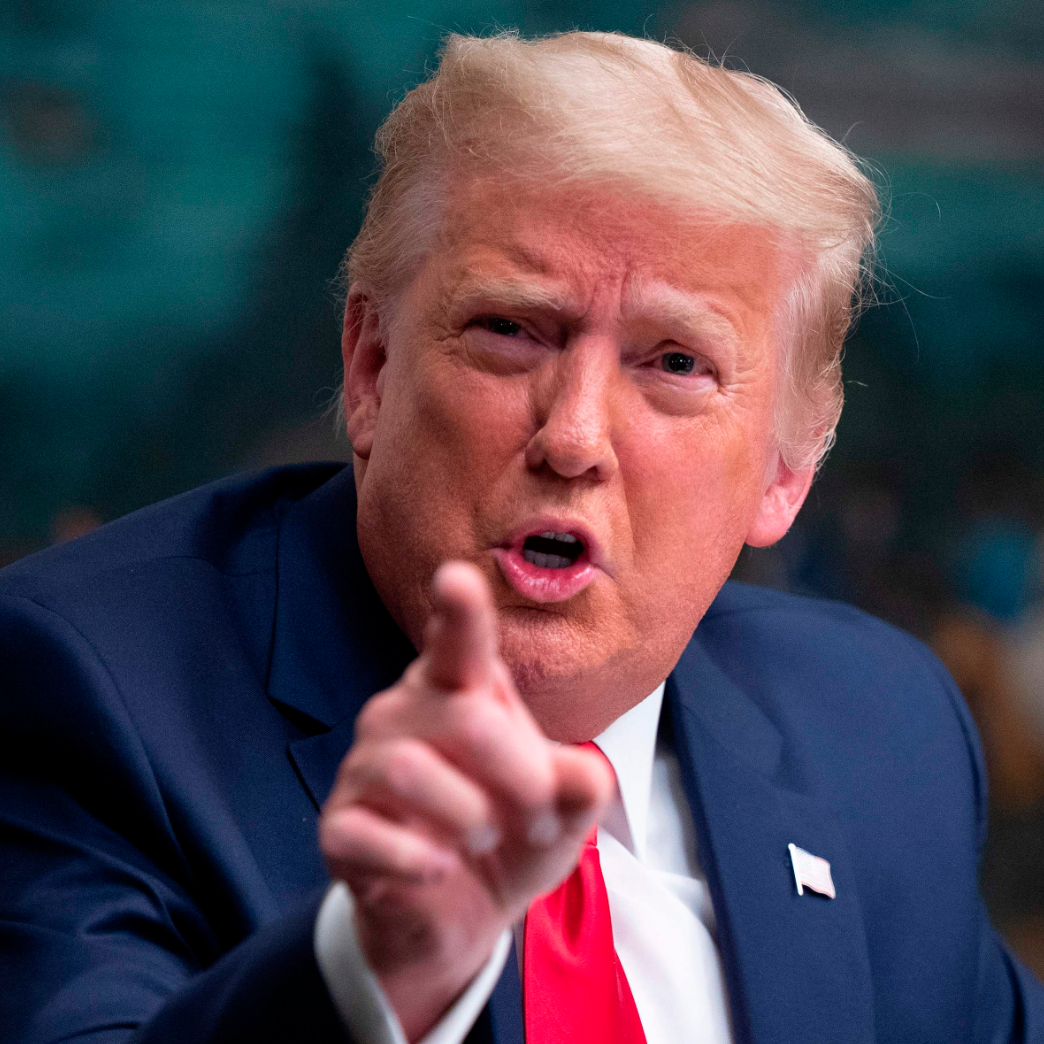
Donald Trump has called for a 10% cap on credit card interest rates for one year, starting January 20, framing it as a move to protect consumers from high rates ahead of midterm elections (Zhitong, ). The proposal, which he may enact via executive order, is seen as an attempt to bypass the Federal Reserve and achieve a de facto rate cut (QQ News, Wallstreetcn, ). The move has caused volatility in financial stocks, with banking industry groups warning it would destroy risk-pricing models and cut off credit for millions (InfoCast, Stheadline, Stheadline). In response to the pressure, some major banks like Bank of America and Citigroup are reportedly exploring new 10% APR card products (QQ News).
Impact Analysis
This isn’t really about helping consumers; it’s Trump bypassing the Fed to hand a ‘rate cut’ to voters before the midterms (QQ News, Zhitong). He’s continuing his assault on the Fed’s independence, trying to achieve stimulus through executive fiat after publicly attacking Powell (Sina Finance, Sina Finance). The first-order effect is obvious: it crushes the business model for card issuers. They simply cannot price for risk with a 10% cap. But the second-order effect is the real story: the very people he claims to be helping will be hurt most. Banks will have to cut off credit for millions of subprime consumers, pushing them towards payday lenders (Stheadline, Stheadline). This creates a credit crunch for the most vulnerable. The systemic danger is the precedent—a ‘transfer of pricing power’ from markets to politics (Wallstreetcn). It injects massive, unquantifiable risk into financials. Bottom line: stay short the card issuers. The political headline risk isn’t going away.
Donald Trump
