
Trump administration plans to impose tariffs on drugmakers that have not agreed to low-price sales deals

Summary
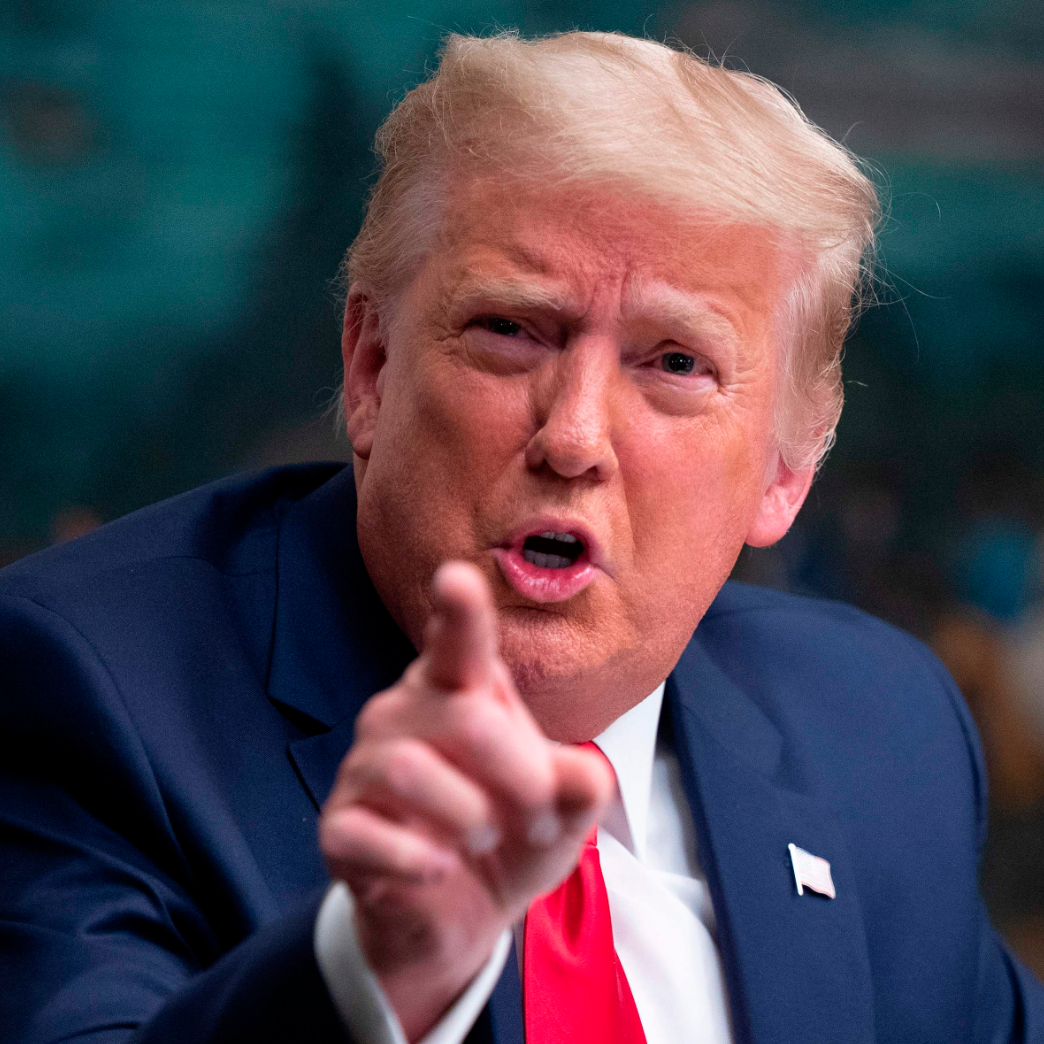
The Trump administration plans to impose tariffs, potentially as high as 100%, on drugmakers that have not agreed to lower their prices in the U.S. or move manufacturing domestically USHK News+ 2. This action stems from a Section 232 national security investigation Wallstreetcn. Many major pharmaceutical companies, including Pfizer, Eli Lilly, and AstraZeneca, have already secured three-year exemptions by making deals with the White House USHK News+ 2. The tariffs will target imported branded and patented medicines, while generic drugs are expected to be exempt Reuters+ 2. Companies without agreements face the full tariff, though plans are not yet final USHK News.
Impact Analysis
This is less a trade policy and more a political shakedown. The 100% tariff threat is just a tool to force compliance on drug pricing and reshoring USHK News+ 2. The interesting part isn’t the threat, but how effective it’s been. They’ve already flipped ~17 big players like Pfizer and Lilly into deals, giving them a three-year safe harbor from tariffs USHK News+ 2.
This creates a clear ‘in-group’ with a government-granted competitive advantage over any holdouts. The market is correctly punishing the obvious losers—we saw the Indian pharma index dive on this news Business Standard—but it’s missing the alpha in the winners’ circle. The companies that played ball now have regulatory certainty and a massive cost shield against non-compliant rivals. With generics likely exempt, the pain is concentrated on branded drug importers who refused to negotiate Reuters. This is a state-enforced market share grab, plain and simple.
唐纳德·特朗普
